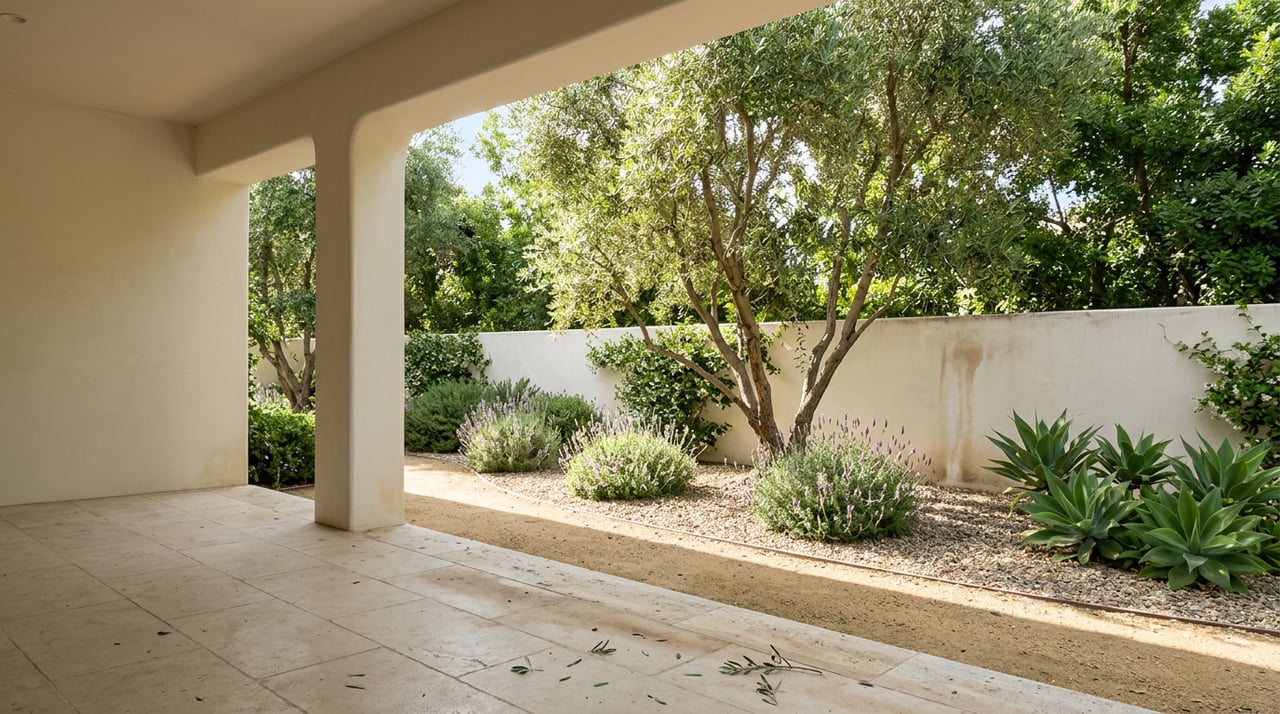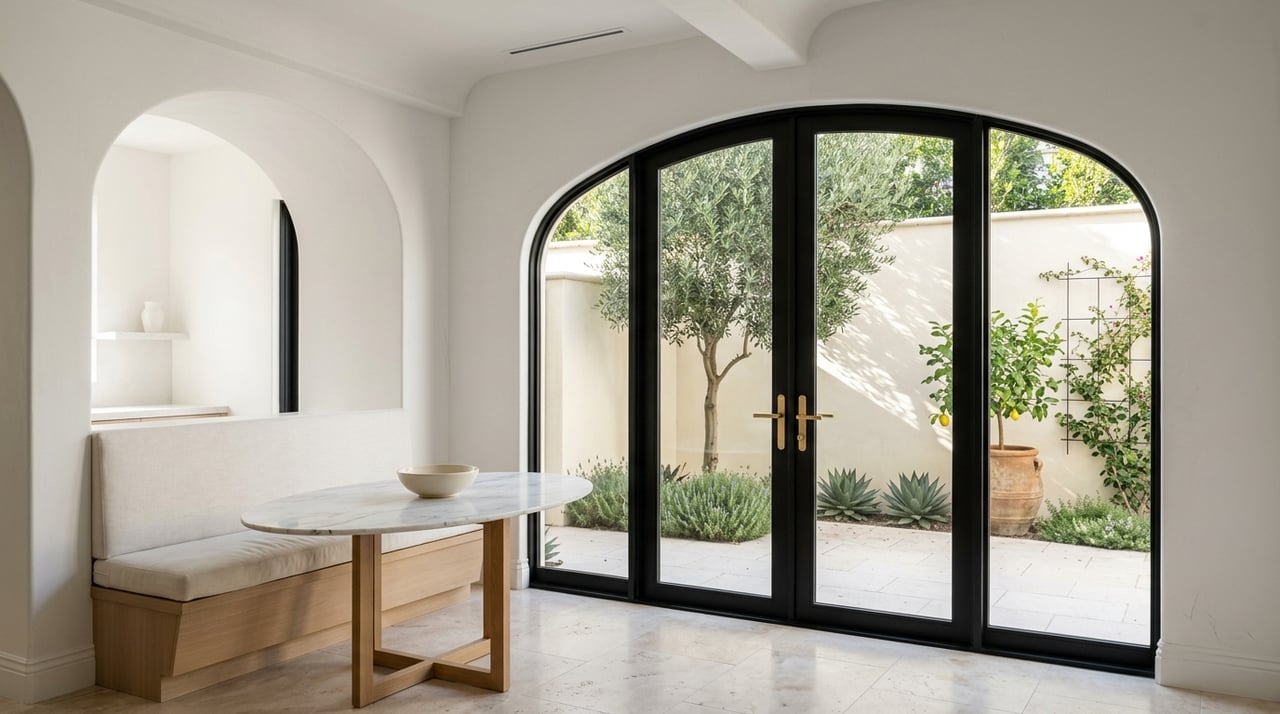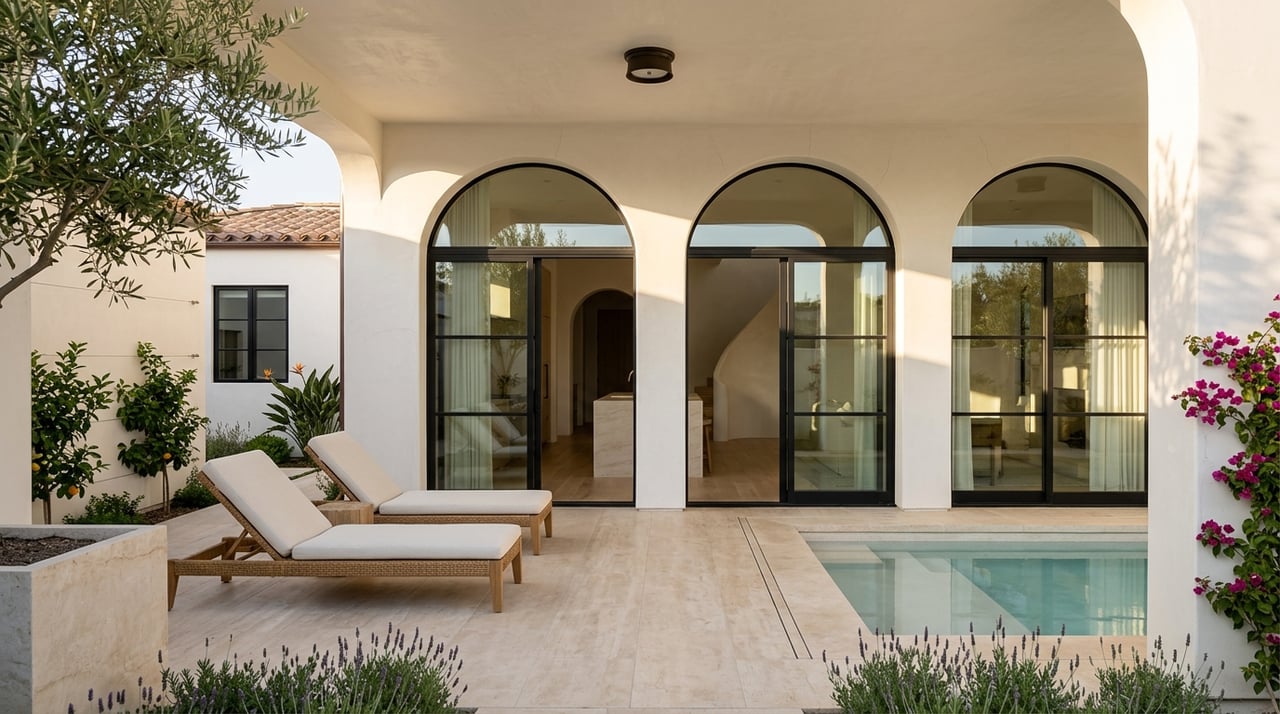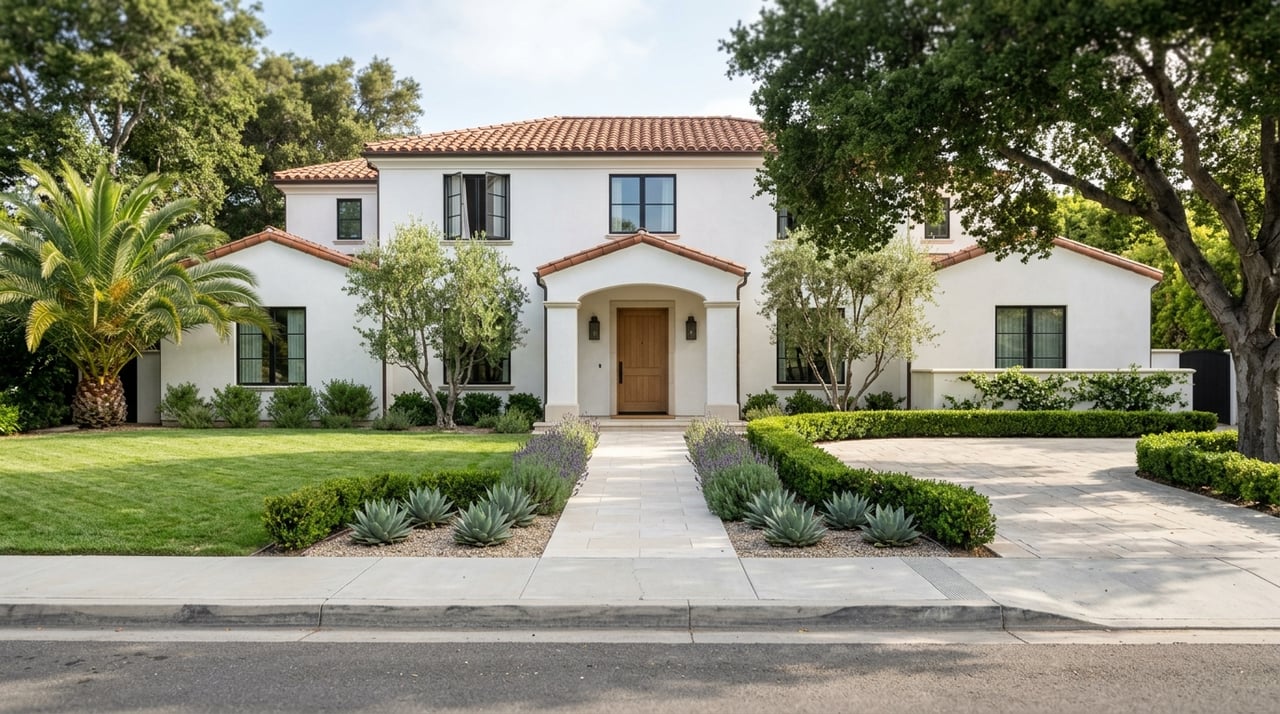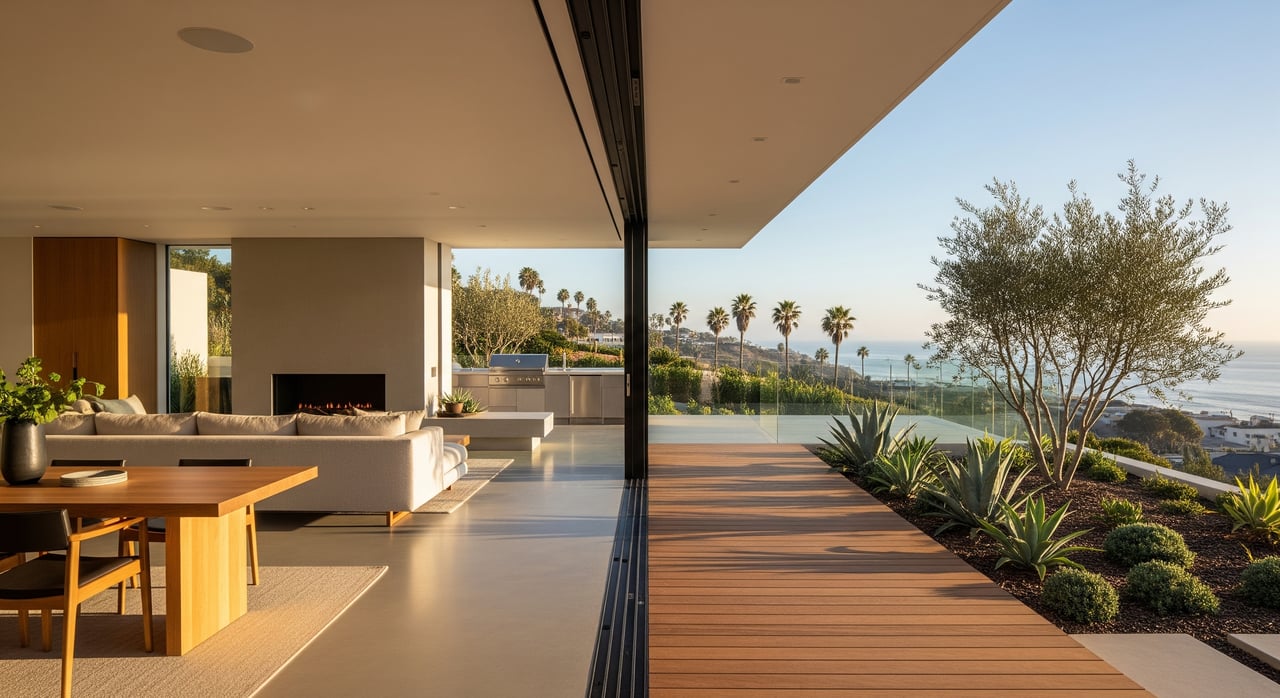
Picture this: you slide open a wall of glass, the ocean breeze drifts in, and your living room expands into a private terrace. In Santa Monica, that lifestyle sells. You want outdoor spaces you can use year-round, without constant repairs or comfort issues. In this guide, you’ll learn which indoor-outdoor features local buyers value most, how coastal conditions affect materials and maintenance, what to know about permits and HOAs, and where to focus upgrades for the best return. Let’s dive in.
Why indoor-outdoor living sells in Santa Monica
Santa Monica’s Mediterranean climate encourages daily outdoor use. Mild temperatures, a regular marine layer, and ocean breezes make patios, decks, and balconies usable most of the year. At the same time, salt air and moisture increase wear on hardware, finishes, and waterproofing.
Luxury buyers tend to prioritize privacy, ocean views, and seamless transitions between interior and exterior spaces. Large operable glass walls, shaded outdoor rooms, and well-designed entertainment areas remain top of the list. For condo buyers, private outdoor space such as balconies or roof decks and access to well-kept communal amenities stand out.
High-value features buyers want
Seamless glazing: sliders and operable glass walls
- What buyers love: expansive views, abundant natural light, and easy flow for entertaining. Fully pocketing or stacking panels can transform a room’s feel and function.
- What to look for in Santa Monica: choose systems rated for coastal exposure with corrosion-resistant hardware, stainless fasteners, and high-performance seals. Align energy performance with California Title 24. Plan for drainage and correct flashing at sills to avoid water intrusion during foggy or windy conditions.
Shaded courtyards and covered patios
- What buyers love: comfortable outdoor rooms that work at midday and in the evening. Shade improves privacy and makes spaces feel like a true extension of the home.
- What to look for: pergolas with UV-resistant finishes, insulated roofed loggias, or retractable awnings that can handle coastal wind. Integrate drainage for any roofed structure and select corrosion-resistant frames.
Outdoor kitchens and built-in entertaining
- What buyers love: turnkey spaces for gatherings with outdoor-rated grills, refrigeration, and lighting. Covered prep areas and durable countertops elevate the experience.
- What to look for: outdoor-rated appliances and cabinets, correct gas and electrical installation, and ventilation that meets code. Most outdoor kitchens require permits. In condos, rooftop kitchens are often restricted and need HOA approval and City permits where allowed.
Decks, terraces, and roof decks
- What buyers love: more usable square footage, view capture, and defined zones for lounging and dining. Roof decks can be a difference-maker in condos.
- What to look for: coastal-friendly materials such as capped composite decking, marine-grade hardwoods like teak or ipe, concrete pavers on pedestals, or fiber-cement surfaces. Avoid untreated softwoods near the ocean. For any structure, verify proper waterproofing, drainage, and flashed ledger connections. Condo roof decks should use professional membrane systems and be inspected.
Privacy, wind, and noise solutions
- What buyers love: sheltered, serene spaces that feel secluded. Thoughtful screening can make a property feel more exclusive.
- What to look for: a mix of solid and open screens to reduce wind, strategic hedging or trellises, and acoustic improvements where street noise is a factor. Choose salt-tolerant, drought-wise species that fit local water conservation programs.
Materials that stand up to the coast
Salt-laden air accelerates corrosion and finish failure. Selecting the right materials protects your investment and keeps spaces looking pristine.
- Metals and fasteners: favor marine-grade 316 stainless steel in the highest exposure zones. Hot-dip galvanized fasteners or marine-grade aluminum with quality powder coating also perform well. Avoid mixing metals that can cause galvanic corrosion.
- Decking and surfaces: capped composite decking offers low maintenance. Teak and ipe are durable with regular care. Fiber-cement and well-detailed stucco with quality coatings resist coastal wear.
- Ongoing care: even corrosion-resistant systems need periodic rinsing to remove salt deposits and regular inspection of hardware and seals.
Keep water out and comfort in
Coastal homes see more moisture. Water intrusion at doors, decks, and roofs is a common source of damage.
- Waterproofing: use continuous flashing, recessed sills with positive drainage, sloped surfaces, and membrane-backed roof decks. Ensure terraces include scuppers or drains that remain clear.
- Energy and comfort: large glazed openings can affect heat gain and loss. Meet Title 24 standards with high-performance glazing, consider low-E coatings, and add motorized shades or exterior screens for sun control. Where noise matters, look for acoustic upgrades such as double glazing or solid core doors.
Permits, HOAs, and risk management
Santa Monica is within the California coastal zone. Exterior changes that alter a building envelope or roof footprint often require permits and sometimes additional review.
- Permits: structural openings, covered patios, outdoor kitchens with gas or electrical, and new decks commonly require City of Santa Monica permits and inspections.
- HOAs and condos: most modifications to balconies, railings, or exterior walls need written HOA approval and must comply with CC&Rs. Rooftop changes often require engineering, permits, and may be limited by association rules.
- Fire safety: outdoor cooking appliances must meet local fire regulations. Know what is allowed before you build.
- Flood and sea-level considerations: portions of coastal Santa Monica intersect FEMA flood zones and sea-level rise projections. This can affect insurance and the long-term viability of low-lying outdoor improvements.
Buyer pre-purchase checklist
Use this quick scan to understand condition and costs before you write an offer.
- Doors and glazing
- Confirm panels slide or fold smoothly. Check weatherstripping, thresholds, and finishes.
- Look for water stains, soft flooring, or peeling paint near openings.
- Decks, terraces, and roof decks
- Inspect flashing at ledger boards and membrane condition. Note any ponding water or clogged drains.
- For condos, request HOA maintenance records and waterproofing inspection reports.
- Outdoor kitchens and utilities
- Verify permits for gas and electrical. Check venting and rust on appliances or cabinets.
- Materials and fasteners
- Look for corrosion on screws, hinges, and railings. Note any mixed-metal contact.
- Privacy and landscaping
- Evaluate whether plantings are salt-tolerant and drought-wise. Review irrigation condition.
Seller upgrade priorities and estimated costs
These projects tend to deliver strong buyer appeal. Actual costs vary by size, finish, and site conditions. Obtain local bids for accuracy.
- Improve indoor-outdoor flow by upgrading sliders or adding a pocketing wall where feasible. Ballpark: $10,000 to $60,000 plus, depending on size and system.
- Create shaded usable space with a covered patio, pergola with retractable canopy, or fixed awning. Ballpark: $3,000 to $25,000.
- Refresh decks and terraces by replacing worn boards with capped composite or refinishing marine-grade hardwoods. Confirm waterproofing is current. Ballpark: $20 to $60 per square foot for decking, higher for full waterproofing systems.
- Upgrade outdoor lighting and electrical for safety and ambiance. Ballpark: $2,000 to $10,000.
- Add a compact outdoor kitchen or grill station with outdoor-rated appliances and weatherproof cabinetry. Ballpark: $5,000 to $30,000.
- Landscape for privacy and water efficiency with salt-tolerant, drought-wise species and drip irrigation. Costs vary widely; local rebates may be available.
Large luxury installations, such as fully pocketing glass walls or engineered roof deck systems with premium appliances, can exceed the upper ranges. Simpler modular solutions often cost less.
Maintenance and documentation that impress buyers
- Provide records for recent waterproofing, deck replacements, glazing upgrades, and any appliance or utility permits.
- Set a maintenance cadence: rinse metal frames quarterly, inspect seals annually, and service awnings and screens.
- For condos, include the latest HOA reserve study and any roof or terrace repair documentation.
How this translates to resale value
Well-executed indoor-outdoor upgrades that fit neighborhood standards and are properly permitted tend to increase buyer appeal. Listings that highlight views, seamless transitions, comfortable shade, and durable coastal materials often photograph better and show more effectively. While ROI depends on quality, comparables, and permanence, these features typically help homes command stronger pricing in lifestyle-driven markets like Santa Monica.
Ready to buy or upgrade?
If you want to prioritize the right features, align with local rules, and protect long-term value, you deserve data-driven guidance and polished execution. For tailored advice on Santa Monica homes and luxury condos, connect with Hannah Laird. Schedule a private consultation and get a plan that balances design, durability, and return.
FAQs
Will large glass walls increase my energy bills in Santa Monica?
- Not necessarily. With high-performance glazing that meets Title 24, plus exterior shading and proper detailing, you can maintain comfort and efficiency.
Do I need a permit for a pergola or covered patio in Santa Monica?
- Most new structures and covered patios require City permits, especially when they attach to the home or include electrical. Confirm requirements before you start.
Can I add an outdoor kitchen on a condo roof deck?
- Often restricted. Many HOAs prohibit open-flame appliances on roofs and require written approval and City permits for any rooftop work.
How much extra maintenance does the ocean environment create?
- Expect more frequent rinsing of metal, routine checks of seals and fasteners, and periodic coating upkeep. Corrosion-resistant materials reduce but do not eliminate maintenance.
What materials hold up best in Santa Monica’s salt air?
- Marine-grade 316 stainless, marine-grade aluminum with quality finishes, capped composite decking, and fiber-cement cladding are reliable coastal choices.
What should condo buyers ask about shared roof decks?
- Request waterproofing inspection reports, HOA maintenance records, and reserve studies. Confirm any use restrictions and approval processes for future upgrades.
Will these upgrades help my resale value?
- Permitted, well-detailed indoor-outdoor upgrades that align with neighborhood standards typically improve buyer appeal and can support stronger pricing.