Torn between a lock-and-leave ocean-view condo and a private single-family home in Santa Monica? You are not alone. Both paths offer real upside, but the day-to-day tradeoffs, long-term value drivers, and monthly costs look very different. In this guide, you will compare what matters most: true monthly budget, lifestyle fit, risk, and resale. You will also get a five-step framework to make a confident choice. Let’s dive in.
Santa Monica market snapshot
Recent MLS-based trackers show a median sale price near $1.5 million as of early 2026. Condo medians often cluster in the low to mid $1 million range for 1 to 2 bedroom units, while luxury oceanfront residences command several million. Local reporting noted that condo inventory rose through 2024 and into 2025, giving buyers more choice and periodic leverage in many segments. See the discussion of this shift in Santa Monica’s condo market in the Santa Monica Observer’s analysis of pricing and inventory trends: condo inventory and pricing context.
Single-family homes sit at a higher price tier with tighter supply in coveted pockets such as North of Montana, Sunset Park, and Ocean Park. Local trend trackers often show single-family inventory below balanced levels, which supports price resilience over time. You can review a city-level trend snapshot here: Santa Monica market trends overview.
Santa Monica’s Coastal Zone and Local Coastal Program shape development capacity and timelines. That constraint helps explain the area’s land-value premium, especially near the beach and downtown. For background on coastal permitting and enforcement, reference the California Coastal Commission’s site: Coastal Zone enforcement and guidance.
Condo vs house: what actually changes for you
Space and privacy
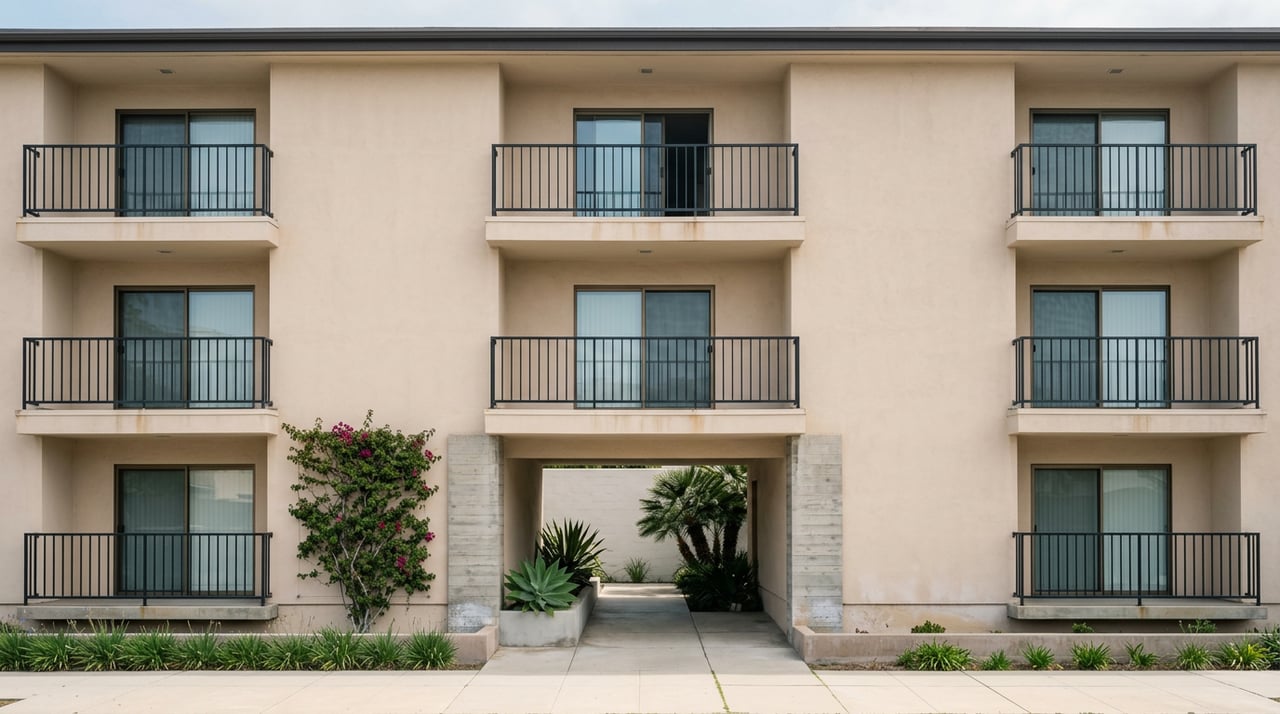
- Luxury condos give you vertical living, shared walls, and typically a balcony or terrace rather than a private yard. This is ideal if you value walkability, security, and easy travel.
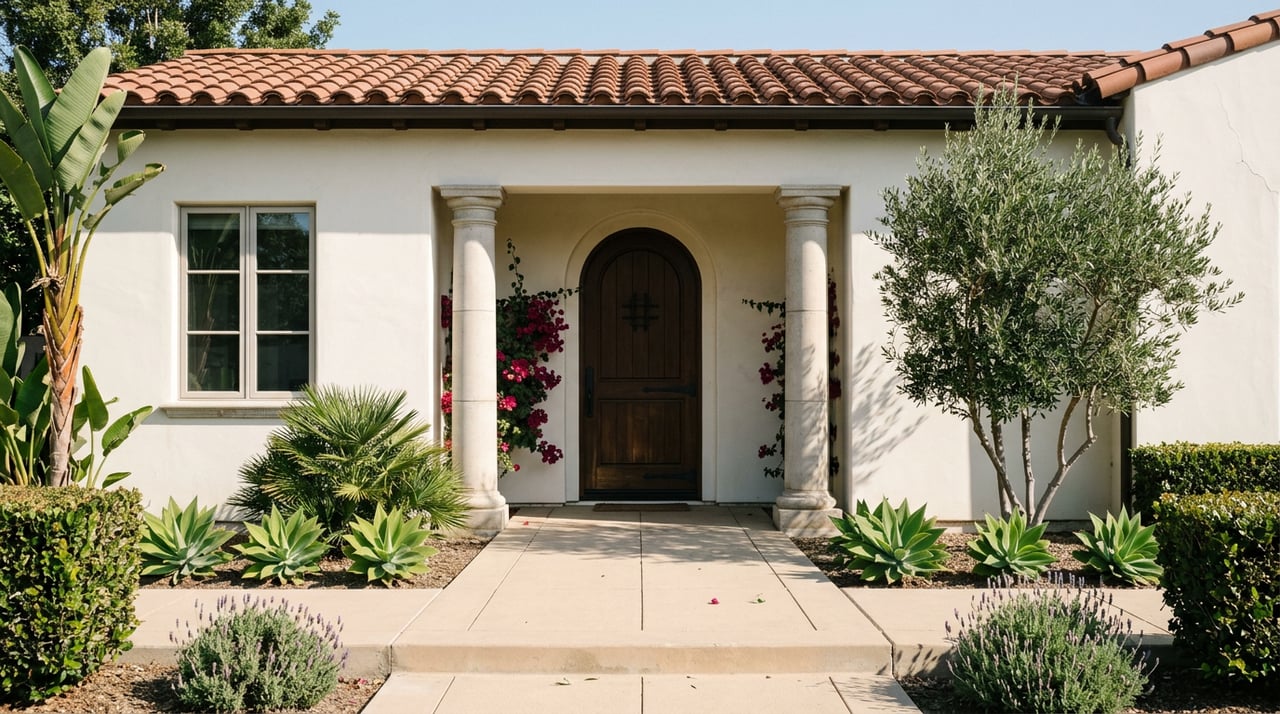
- Single-family homes offer greater separation, more storage, and outdoor space. If you want privacy, pets, gardening, or custom exterior changes, a house gives you control.
Amenities and service
- Many luxury Santa Monica buildings include concierge, pool, gym, and valet. The lifestyle is streamlined and social. You fund these services through HOA dues.
- With a house, any amenities are private and on your terms. You choose the pool, garden, or gym setup, along with the ongoing upkeep.
Maintenance and carrying costs
- Condo ownership shifts big exterior responsibilities to the HOA. Dues vary a lot by building and amenity level. In Santa Monica, you will see monthly dues in the low hundreds in modest buildings and $1,000 to $3,000 or more in full-service oceanfront properties. Recent MLS examples showed dues of roughly $792, $1,491, and $2,344 per month. Always review the HOA budget and reserve study.
- With a house, you skip HOA dues in many cases, but you carry all exterior maintenance, roof, landscaping, pool, and structural repairs. Costs can be uneven over time, so budget a maintenance reserve.
HOA governance and assessments
California’s Davis-Stirling Act governs HOAs, records, and procedures. Before you buy a condo, read the bylaws, CC&Rs, budgets, reserve studies, and litigation disclosures. Underfunded reserves or frequent special assessments increase risk. For statutory context, see the Davis-Stirling code section.
Insurance and earthquake exposure
Condo associations usually carry a master policy for the structure and common areas. You will still need an HO-6 policy for your interiors and personal property. Consider loss assessment coverage in case the HOA levies a charge after an earthquake or other covered event. The California Earthquake Authority provides helpful guidance on how master policies, unit policies, and loss assessments work: CEA claim manual overview.
Property taxes and reassessment
Under Proposition 13, your assessed value resets at purchase, then generally increases up to roughly 2 percent per year until another reassessment event. This applies to both condos and houses. Many new buyers pay more in property tax than long-time owners who have a lower base. See a clear explainer here: Prop 13 assessment basics.
Financing and resale
Houses usually have a broader buyer pool and may be easier to sell in slower markets, especially due to land scarcity in Santa Monica. Condos can face building-level lending requirements. Lenders may scrutinize owner-occupancy rates, reserve funding, special assessments, and litigation. Confirm lender appetite for your specific building before you write an offer.
Rentals and rules
Santa Monica’s rent-control history and other local rules matter if you plan to rent the property. Whether a condo can be used for long-term or short-term rental depends on the building’s CC&Rs, city rules, and state law. Review case law context here and verify status with the Rent Control Agency for the specific unit: overview of rent-control legal landscape.
A five-step decision framework
Use this to compare individual listings side by side.
Step 1: Run a hard budget filter
Calculate an all-in monthly number for each property:
- Mortgage principal and interest
- Property taxes after Prop 13 reassessment
- Insurance: HO-3 for houses; HO-6 plus any master-policy gaps for condos
- HOA dues for condos (budget for $1,000 to $3,000 or more in full-service buildings)
- Maintenance reserve: higher for houses; for condos, account for special assessment risk based on reserves and meeting minutes
If you travel often or want a concierge building, you may accept higher HOA dues as a trade for convenience. If you prefer control and can absorb uneven repair costs, a house may pencil out better over a longer horizon.
Step 2: Score lifestyle fit
Rate each factor 1 to 5 for every listing, then total your score.
- Privacy and yard needs
- Walkability to beach, dining, and services
- Parking and commute pattern
- Travel frequency and lock-and-leave priority
- Desire for amenities like pool, gym, and concierge
Step 3: Weigh future plans and liquidity
- Time horizon: under 5 years vs over 10 years
- Plans to rent the property: confirm Rent Control status and HOA rental caps
- Family changes: space, storage, and layout flexibility
- Resale dynamics: single-family land value vs condo building rules and fees
Step 4: Complete the investment and risk checklist
Request and review the following before you commit:
- HOA: last 2 to 3 years of budgets and financials, most recent reserve study, 12 to 24 months of meeting minutes, CC&Rs and house rules, insurance declarations, and any special assessment notices. The Davis-Stirling framework describes your rights to association records: California HOA governance reference.
- Building condition: roofing, façade, elevator, parking structure, plumbing stacks, and seismic retrofit status
- Insurance: does the association carry earthquake coverage; what are loss assessment terms; ask for the declarations page and limits. Review CEA guidance on loss assessments: earthquake insurance basics for condos.
- Zoning and coastal permits: check for Coastal Zone constraints that could affect remodels or additions. Reference: Coastal Commission enforcement and permitting.
Step 5: Watch for red flags
- Large or repeated special assessments, or reserves well below recommended levels
- Pending litigation involving the HOA
- Meeting minutes that show deferred maintenance or recurring system failures
- Lender warnings about owner-occupancy ratios or significant delinquencies
How this plays out in Santa Monica
If you value walkability, low maintenance, and a full-service lifestyle near the beach, a well-run luxury condo can be a strong fit. Expect higher dues in amenity-rich buildings, and make sure reserves and capital plans are healthy. Santa Monica’s condo market recently saw more inventory, which can help you find a better match and negotiate in certain windows. See local reporting on that trend here: condo market inventory and pricing context.
If your priority is privacy, outdoor space, and long-term land value, single-family homes deserve the focus. Supply is often tight in favored micro-markets, which can support values over time. For a data view of city-level trend indicators, see this market trends overview. In either case, coastal permitting and Santa Monica’s mature housing stock make due diligence essential, especially for seismic, exterior systems, and major repairs that can trigger assessments or longer timelines.
Due diligence request list
Ask for these documents early, ideally before making an offer:
- CC&Rs, bylaws, and house rules
- Last 3 years of HOA budgets and financial statements
- Most recent reserve study and any engineer’s reports
- Meeting minutes for the last 12 to 24 months
- Insurance declarations for the master policy, including earthquake coverage and loss-assessment sublimits
- Notices of special assessments and a list of any pending litigation
- Unit-specific items: deeded parking, storage rights, pet policies, and rental or short-term rental rules
- Building system and inspection reports: roofing, façade, parking structure, elevators, seismic retrofit plans or completion records
Quick scoring rubric
Give each finalist a weighted score. Keep it simple and consistent.
- Budget fit: 30 percent
- Lifestyle match: 30 percent
- Maintenance and risk tolerance: 15 percent
- Resale and investment profile: 15 percent
- Legal and regulatory constraints: 10 percent
Add up the totals for a clean, side-by-side comparison.
The bottom line
There is no one-size answer. In Santa Monica, a luxury condo gives you service, security, and location in exchange for HOA dues and building rules. A single-family home gives you privacy, land, and control along with variable maintenance and a higher entry price in top neighborhoods. If you run the full budget, score the lifestyle, and pressure test the risk items above, the right choice usually becomes clear.
If you want a finance-first read on specific buildings or streets, or you need help modeling all-in monthly costs and reserves, connect with Hannah Laird to schedule a private consultation.
FAQs
What is a realistic HOA dues range for luxury condos in Santa Monica?
- You will commonly see dues from the low hundreds per month in modest buildings to $1,000 to $3,000 or more in full-service oceanfront properties. Recent MLS examples showed dues near $792, $1,491, and $2,344 monthly. Always review the HOA budget and reserve study to understand future assessment risk.
How do Coastal Zone rules affect remodels or rebuilds in Santa Monica?
- Coastal permitting can lengthen timelines and add conditions for significant exterior work or new development. Review your plans against the Local Coastal Program and consult the California Coastal Commission’s guidance on enforcement and permitting.
Are Santa Monica condos subject to rent control and can I rent short-term?
- It depends on the unit and building rules. Santa Monica’s rent-control framework and HOA CC&Rs both matter. Check case-law context here: rent-control legal overview, then confirm unit status with the Rent Control Agency and verify any rental or short-term rental restrictions in the HOA documents.
Do I need earthquake coverage if I buy a condo?
- Your HOA may carry a master policy, but it may not include earthquake coverage. You should consider an HO-6 policy with loss-assessment coverage. The California Earthquake Authority explains how master and unit policies interact here: CEA overview.
How are property taxes calculated when I buy in Santa Monica?
- Under Prop 13, your assessed value resets to your purchase price, then typically increases by up to about 2 percent per year. New buyers often pay more than long-time owners. See this Prop 13 explainer.