What you do before a Beverly Hills home hits the market can shape the entire outcome. In a market where buyers have options and premium pricing still demands clear value, the right pre-listing upgrades can strengthen first impressions, support pricing, and reduce avoidable friction once your home is live. This is not about remodeling for the sake of it. It is about making disciplined, market-aligned decisions that improve presentation and protect your leverage. Let’s dive in.
Why prep matters in Beverly Hills
Beverly Hills is currently a high-price, buyer-leaning market. Realtor.com’s April 2026 data show 366 homes for sale, a median listing price of $6,275,000, a median 61 days on market, and homes selling for 94% of list price on average.
In that environment, launch quality matters. When buyers can compare multiple luxury options, homes that feel polished, well maintained, and easy to understand tend to show better from day one. Strong preparation also gives you more confidence when setting price and marketing strategy.
Just as important, today’s buyers often respond best to features that feel functional and visually clear. Zillow’s 2024 buyer trends data found high importance placed on air conditioning, private outdoor space, layout, storage, parking, kitchen style, and finishes. That points sellers toward comfort, flow, and finish quality rather than highly personal design statements.
Focus on upgrades buyers notice
Before listing, the strongest strategy is usually to prioritize improvements that are visible, contained, and broadly appealing. In Beverly Hills, that often means refining the exterior, entry sequence, kitchen, bath, and overall finish condition rather than taking on a full luxury overhaul.
Pacific-region Cost vs Value data support that approach. Garage door replacement showed a 250.7% cost recovery, steel entry door replacement 249.9%, manufactured stone veneer 203.5%, and a minor kitchen remodel 134.3%. A midrange bath remodel recouped 95.6%, while vinyl window replacement returned 85.9%.
That does not mean every house needs all of those upgrades. It means the market tends to reward clean, visible improvements that sharpen presentation without pushing you into an oversized renovation budget.
Start with curb appeal
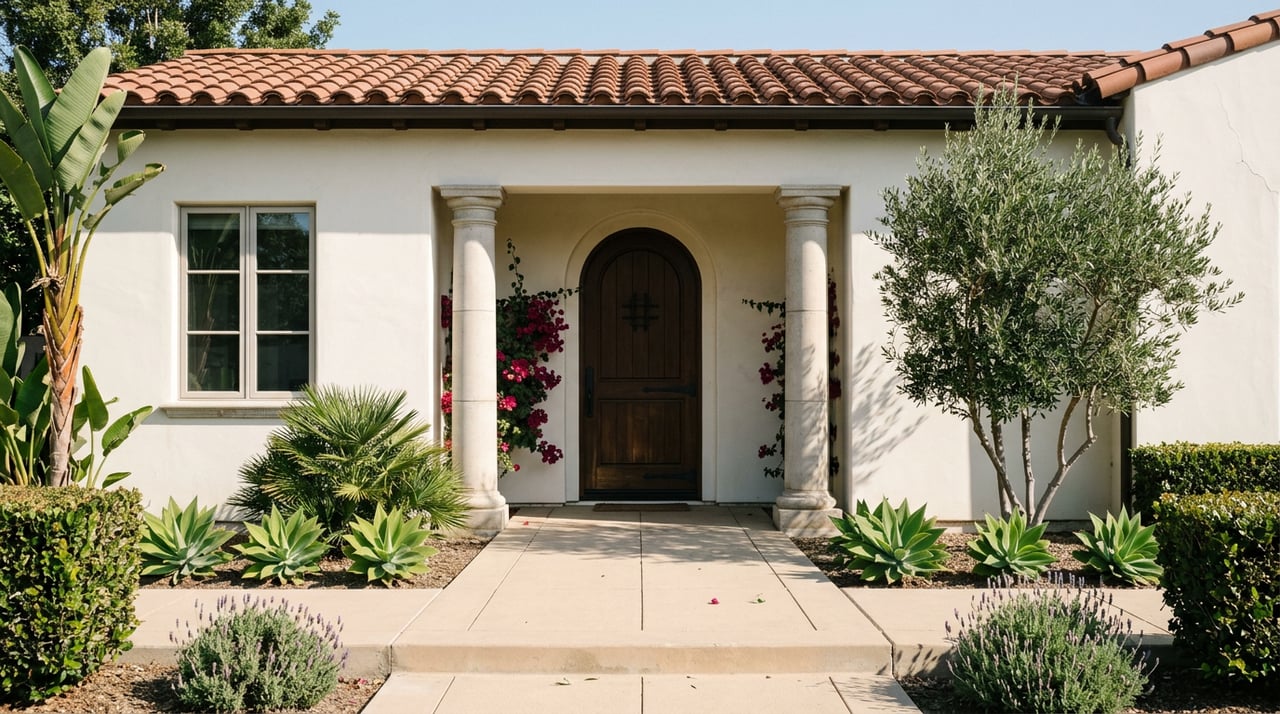
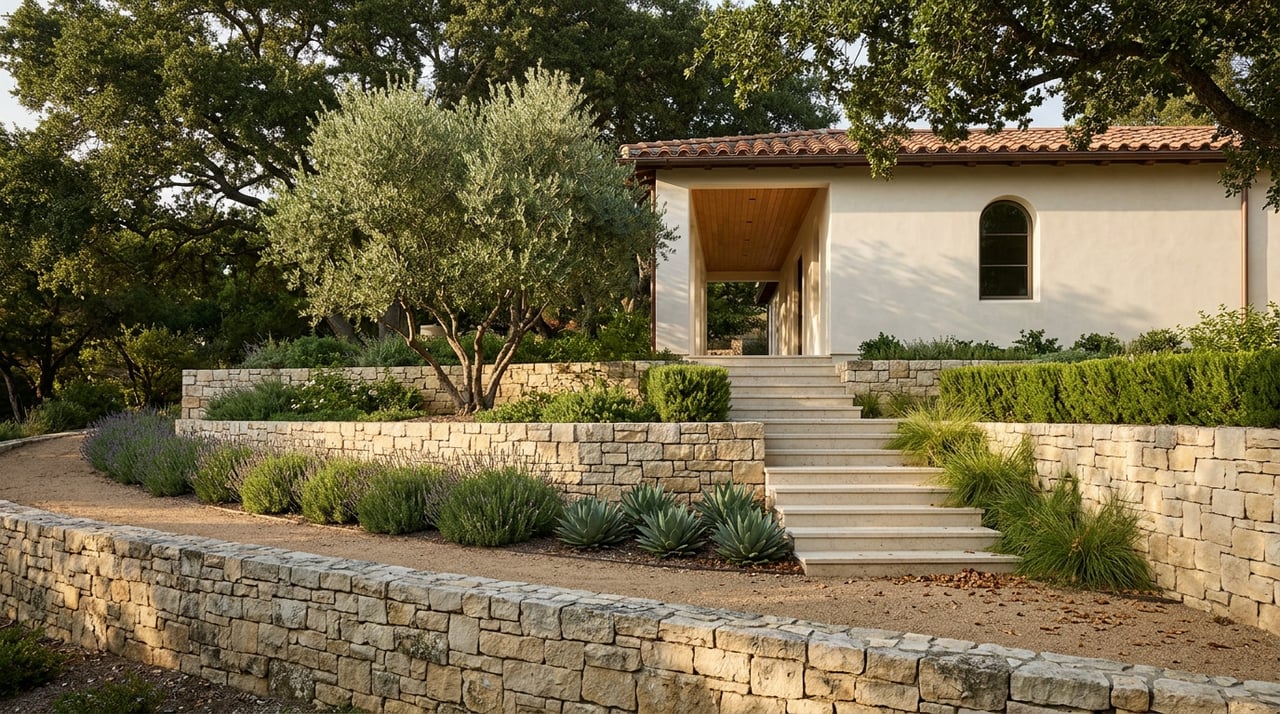
Your exterior sets expectations before a buyer walks inside. In Beverly Hills, the driveway approach, front elevation, landscaping, lighting, and entry door all shape the first read of the property.
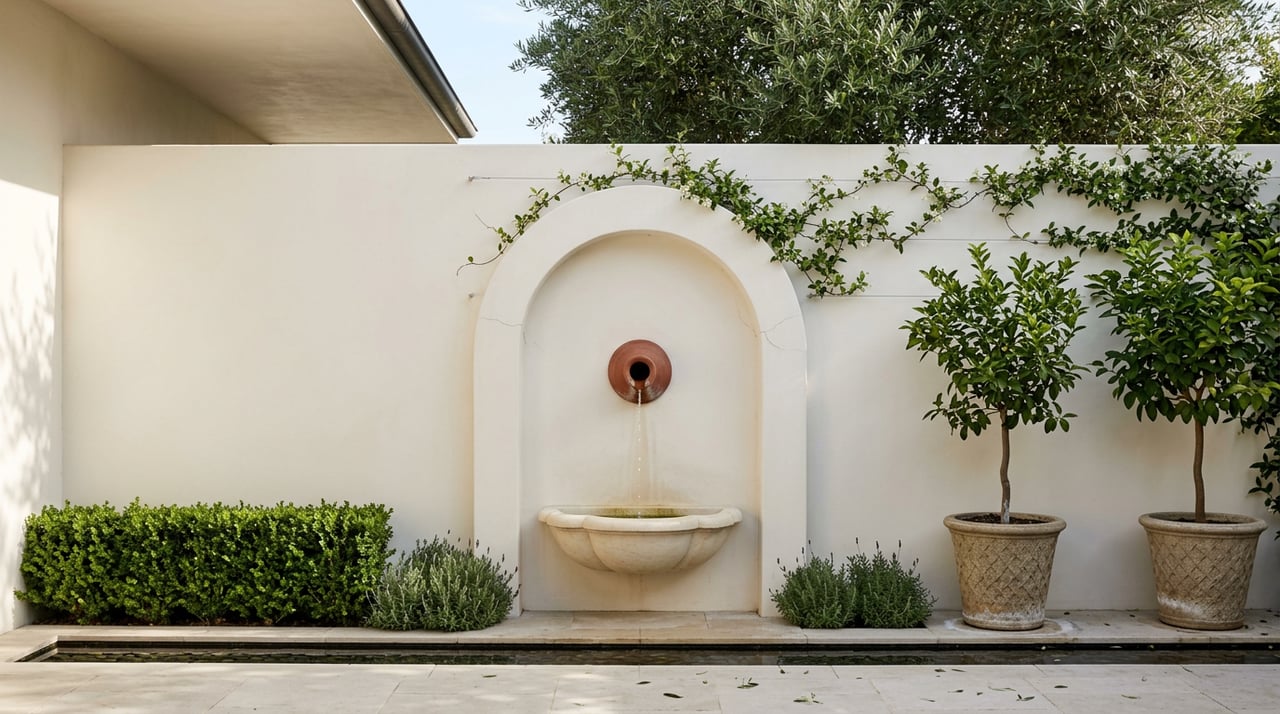
If your façade feels tired, selective improvements can have outsized impact. Fresh landscaping, a refined front door, a cleaner garage presence, and repaired or updated exterior details can make the home feel more current and better cared for.
Refresh kitchens selectively
A kitchen does not always need a full rebuild before sale. In many cases, a minor remodel or targeted refresh can do more for your return than a major redesign.
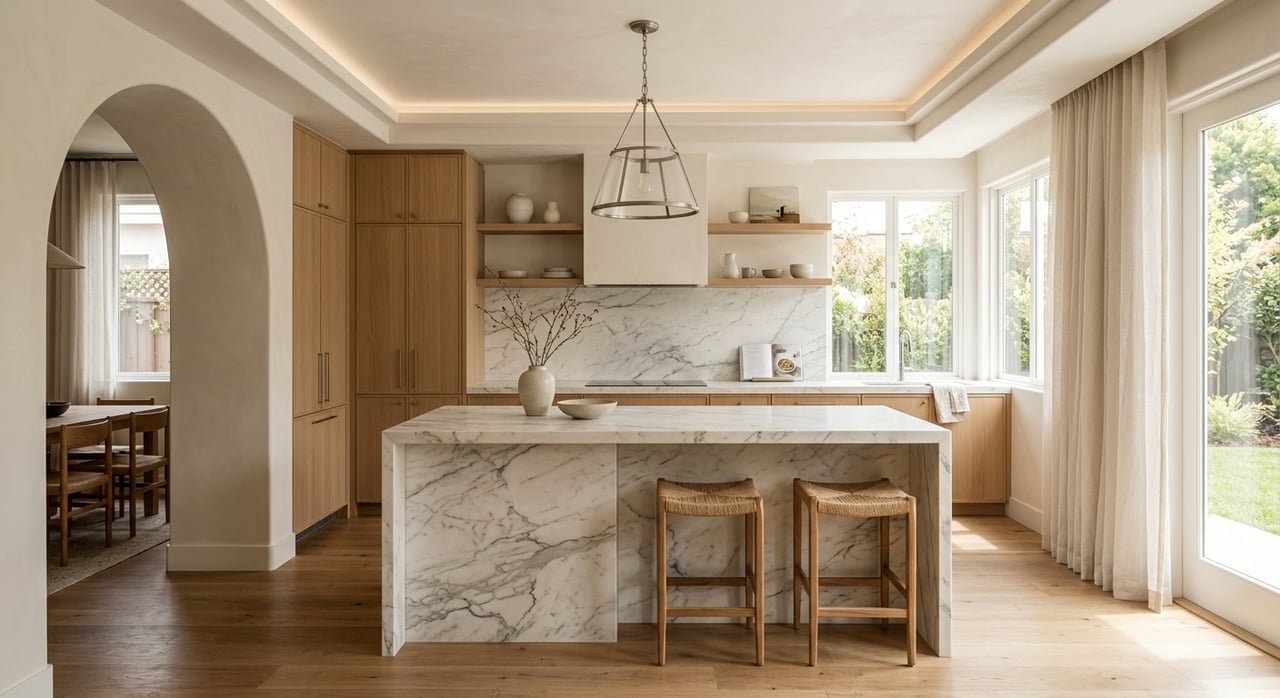
If cabinetry, counters, hardware, lighting, or appliances make the room feel dated, a focused update may be enough to improve buyer response. The goal is to make the kitchen read as clean, functional, and cohesive, not to imprint a highly specific personal taste.
Improve bathrooms without overcommitting
Bathrooms are another area where buyers notice condition quickly. A midrange bath remodel showed far stronger cost recovery than luxury additions in the Pacific data.
That supports a practical approach. If a bathroom needs attention, think in terms of finish refreshes, better lighting, repaired surfaces, updated fixtures, and a cleaner visual presentation rather than expanding the footprint right before you list.
Avoid overbuilding before you sell
One of the most common mistakes in the luxury market is assuming a bigger renovation will always produce a better sale result. The data suggest otherwise, especially close to a listing launch.
In the same Pacific Cost vs Value report, major kitchen remodels recovered far less than smaller projects. A midrange major kitchen remodel recouped 67.8%, an upscale major kitchen remodel 54.6%, an upscale bathroom addition 43.2%, and an upscale primary suite addition 36.4%.
For most sellers, that means whole-house reconfiguration, major additions, and highly bespoke upgrades should not be the default pre-listing plan. Unless your home has a clear functional gap that the market is likely to reward, these larger projects can absorb time and capital without producing a proportional return.
When larger work may still make sense
There are exceptions. If your property has an obvious issue that limits buyer interest, such as poor flow, a visibly incomplete renovation, or an exterior condition problem that undermines confidence, more extensive work may deserve evaluation.
In those cases, the decision should be based on evidence, timeline, and likely buyer response, not instinct alone. In Beverly Hills, disciplined underwriting matters just as much as design taste.
Time upgrades around your launch
Sequencing matters almost as much as the work itself. Some projects should begin months before listing, while others belong in the final stretch.
Street-visible exterior work, structural work, and anything likely to trigger plan review should start early. Staging, styling, cleaning, photography, and final landscape touch-ups can usually wait until closer to the list date.
This approach helps you avoid a common problem: a good cosmetic idea becoming a timing issue that delays your launch. In a market where presentation at debut matters, timing discipline is part of the strategy.
Beverly Hills permit and review rules
In Beverly Hills, not every upgrade can be treated as simple cosmetic work. The city states that building permits are required for structural alterations, internal and external improvements, general repairs, new construction, and demolition.
The city also states that any work visible from the public street, including façade remodels, window replacement, or painting, requires some level of design review. In the Central Area, visible single-family façade remodels and additions are reviewed through that process.
For sellers, the implication is clear. If you are considering exterior work that changes the street-facing appearance of the home, start planning well before your intended listing date.
Keep records organized
California sellers must provide a Real Estate Transfer Disclosure Statement before title transfers, and separate natural-hazard disclosures may apply depending on the property. That makes documentation important well before your home goes live.
It is wise to organize permits, contractor invoices, repair notes, and upgrade records in advance. Clean records make it easier to answer buyer questions and reduce last-minute scrambling during escrow.
Finish strong with presentation
Once the heavier work is done, the final presentation phase often delivers the most efficient spend. This is where a home shifts from improved to truly market-ready.
NAR’s 2025 staging report found that 29% of agents said staging increased the dollar value offered by 1% to 10%, 49% said staging reduced time on market, and 83% said staging made it easier for buyers to picture the home as their future residence. In a market like Beverly Hills, that matters.
The same report found that the rooms most often considered worth staging were the living room, primary bedroom, and kitchen. If you are making choices about where to focus, those spaces are often the best place to start.
Prioritize the final-mile checklist
According to Zillow’s 2024 seller survey, common seller improvements included interior paint, bathroom updates, kitchen updates, and yard landscaping. Agent recommendations centered on decluttering, whole-home cleaning, and improving curb appeal.
For many Beverly Hills homes, the highest-impact final steps include:
- Deep cleaning every room
- Decluttering and removing overly personal styling
- Neutralizing décor where needed
- Refreshing interior paint if finishes feel tired
- Optimizing lighting throughout the home
- Sharpening landscaping and outdoor presentation
- Preparing key rooms for staging
These details help buyers focus on the home itself. They also improve the quality of every showing, photo, and video asset tied to the launch.
Use media that supports luxury pricing
In the high-end market, presentation is not just physical. It is digital too. Buyers often form their first opinion from the media package before they ever step onto the property.
NAR’s 2025 staging report found that buyers’ agents rated photos, traditional staging, videos, and virtual tours as highly important listing tools. Zillow’s 2024 seller survey found that 81% of sellers viewed floor plans as highly important, 78% said high-resolution photography was highly important, and 64% said virtual tours were highly important.
That aligns with a disciplined Beverly Hills launch strategy. Once the home is visually ready, professional photography, video, floor plans, and immersive digital assets help present the property clearly and widen buyer reach.
Match marketing to the home
Not every property needs the exact same production plan. But in Beverly Hills, bespoke marketing is often part of protecting value, especially for homes where architecture, scale, layout, or grounds need to be understood quickly.
A well-prepared listing benefits from media that clarifies flow, highlights finish quality, and supports premium positioning across digital channels. Strong production works best when it rests on strong preparation.
A practical upgrade framework
If you are deciding where to spend before listing, think in this order:
- Address obvious condition issues that could undermine confidence
- Prioritize visible exterior and entry improvements
- Refresh kitchens and baths selectively
- Avoid major additions unless a clear market gap justifies them
- Plan early for permits or design review on visible work
- Finish with staging, cleaning, landscaping, photography, floor plans, and video
This framework is especially useful in Beverly Hills because it balances design, timing, and return discipline. It helps you invest where buyers are most likely to notice and respond.
The Beverly Hills advantage is precision
In a market with high expectations and meaningful price points, pre-listing upgrades should be strategic, not reactive. The evidence favors contained, high-visibility improvements and careful final presentation over sweeping luxury remodels done in haste.
If you prepare thoughtfully, you can enter the market with a stronger first impression, cleaner documentation, and a clearer value story for buyers. That combination often matters more than spending the most. For tailored guidance on preparing a Beverly Hills home for sale, schedule a private consultation with Hannah Laird.
FAQs
What pre-listing upgrades matter most for Beverly Hills homes?
- The strongest priorities are usually visible, contained improvements such as curb appeal, entry updates, selective kitchen or bath refreshes, landscaping, decluttering, cleaning, staging, and high-quality listing media.
Are major remodels worth doing before selling a Beverly Hills house?
- Often, no. Pacific Cost vs Value data show lower cost recovery for major kitchen remodels, upscale bathroom additions, and primary suite additions than for smaller, more targeted improvements.
Do Beverly Hills exterior upgrades require permits or design review?
- Yes, many do. The City of Beverly Hills states that building permits are required for structural alterations, internal and external improvements, general repairs, new construction, and demolition, and work visible from the street may require design review.
When should you start pre-listing work for a Beverly Hills property?
- Start early for exterior work, structural changes, or anything that may require permits or design review. Save staging, final cleaning, styling, photography, floor plans, and video for the final stretch before listing.
What records should Beverly Hills sellers organize before listing?
- It is helpful to gather permits, contractor invoices, repair notes, and upgrade records before listing so you can answer disclosure questions more efficiently and document completed work clearly.