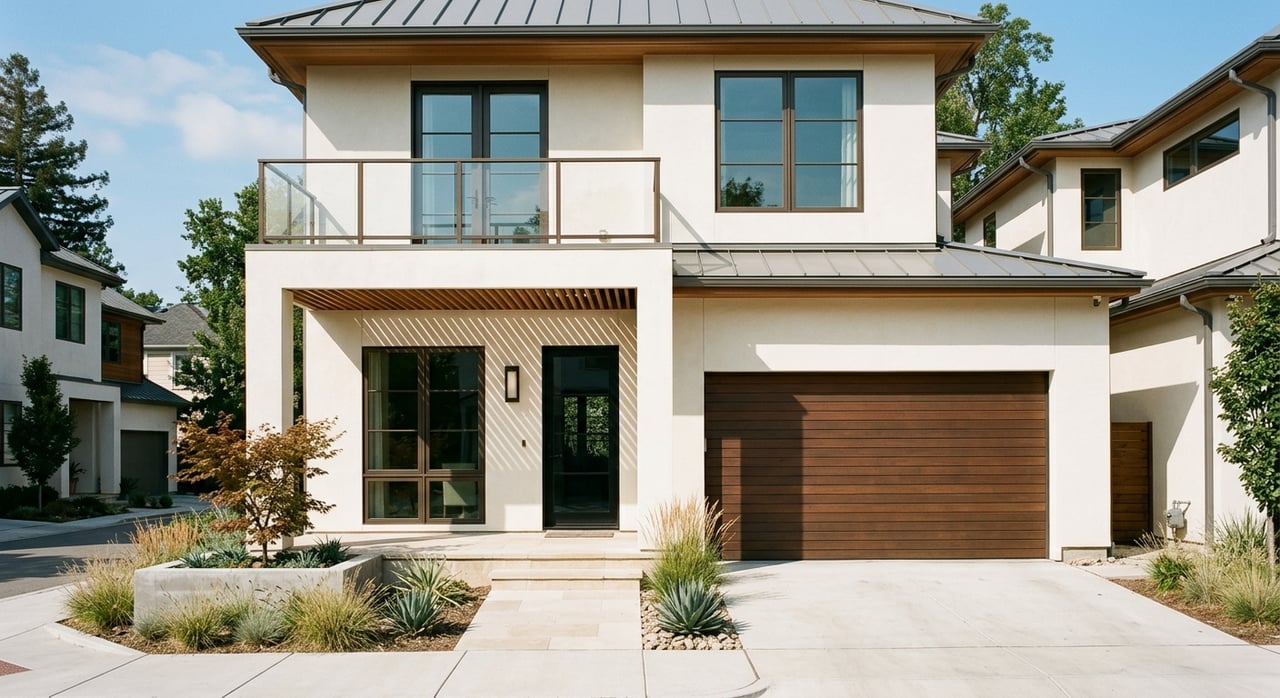
Choosing between a condo and a townhome in West Hollywood sounds simple until you start looking closely. In a market filled with older multifamily buildings, varied HOA structures, and a limited number of townhome-style options, the right fit often comes down to how you live day to day. If you are weighing convenience, privacy, maintenance, and long-term value, this guide will help you compare the trade-offs with more clarity. Let’s dive in.
West Hollywood housing context
West Hollywood is a compact, dense housing market with a stock that is heavily weighted toward multifamily living. According to the City’s Housing Element, 79 percent of housing units are in developments with five or more units, only 11 percent are single-family, and the median year built is 1962. Roughly 93 percent of the city’s housing was built before 1990.
That matters because when you compare a condo with a townhome here, you are often comparing older construction, shared systems, and HOA-managed buildings rather than two completely different ownership experiences. In practical terms, building condition, reserve funding, and maintenance history can matter just as much as square footage or layout.
Condos offer more choice
If you want more inventory and a wider range of price points, condos currently offer the deeper selection in West Hollywood. Current market snapshots show 179 condos for sale at a median listing price of $925,000, compared with just 3 townhouses at a median listing price of $1.5 million. Redfin’s city guide also reports median sale prices of $795,000 for condo or co-op properties and $1.377 million for townhouses.
For you as a buyer, that usually means condos provide more options to compare by location, building style, monthly dues, and amenities. Townhomes, by contrast, tend to be a scarcer and more specialized product in West Hollywood, often attracting buyers who want a more house-like layout and are willing to pay for it.
Townhome may not mean what you think
Legal form matters more than style
In California, the term townhome describes an architectural style, not a legal ownership category. Under guidance from the California Department of Real Estate, a property that looks like a townhome may legally be part of a condominium project or a planned development.
That distinction is important because your rights and responsibilities can change depending on the legal structure. In a condominium project, you separately own the unit while common areas are owned or controlled collectively. In a planned development, the project may still look like attached housing, but the HOA may own or maintain common streets, facilities, or other shared areas.
HOA membership is automatic
If you purchase a home, townhouse, or condominium within a common interest development, membership in the HOA is automatic. That means before you focus on finishes, natural light, or curb appeal, you should also review the CC&Rs, bylaws, budget, and rules.
A polished exterior does not always tell you who is responsible for windows, balconies, roofs, patios, or private drives. In West Hollywood, where many buildings are older, those details can have a direct effect on both monthly carrying costs and future repair exposure.
How condos and townhomes fit different lifestyles
Choose a condo for convenience
If your priority is a more lock-and-leave lifestyle, a condo may be the better match. Many buyers prefer condos because a well-run building can centralize maintenance, streamline exterior upkeep, and reduce the number of individual repair decisions you need to manage.
That can be especially appealing if you travel often, split time between cities, or simply want a more predictable day-to-day ownership experience. In West Hollywood, where multifamily housing is the norm, condos also give you the broadest view of the market.
Choose a townhome for separation
If you want a home that feels less stacked and more vertical, a townhome-style property may fit better. These homes often have two or more levels and are typically designed without another unit directly above or below, which can create a more house-like feel.
Some current West Hollywood listings also highlight features such as private entrances, corner placement, and private rooftop areas. Still, the real question is not whether a listing is called a townhome, but how the project is built and what is actually private versus shared.
Privacy and noise deserve a closer look
Privacy can be one of the biggest deciding factors between these two property types. A multi-level townhome-style layout often reduces the feeling of being surrounded on all sides, while many condo buildings involve shared hallways, stacked units, and more direct adjacency.
That said, you should avoid making assumptions based on the label alone. A condo may offer excellent separation, and a townhome-style unit may still sit within a common interest development with shared walls, common outdoor areas, and HOA rules that shape how private it really feels.
Outdoor space is not always owned the same way
Private-feeling does not always mean deeded
Outdoor space is another area where buyers can get tripped up. Under California common-interest development rules, patios, balconies, driveways, and parking spaces may be classified as exclusive-use common area.
That means a condo can include a terrace that feels private, even if it is not deeded in the same way as interior space. On the other hand, a townhome-style property may still involve shared outdoor obligations or limits on how exterior areas can be used or modified.
Ask exactly how the space is classified
When you compare listings, ask whether the outdoor area is deeded, exclusive-use common area, or general common area. That answer will help you understand what control you actually have and whether future repairs, upgrades, or restrictions fall on you or the HOA.
For many West Hollywood buyers, this is more important than the condo-versus-townhome label itself. A well-designed condo with meaningful outdoor access may fit your lifestyle better than a townhome-style property with more shared obligations than expected.
Maintenance and HOA structure can change the math
The California Department of Real Estate makes clear that HOA budgets fund operating expenses and reserves, while governing documents define how the project is managed. In both condo and townhome-style communities, maintenance responsibility can be split in very different ways.
In some projects, the HOA may handle most exterior components and shared systems. In others, owners may be responsible for much of the exterior, with the HOA covering only limited common elements. If you want less day-to-day upkeep, a well-managed condo building may appeal to you. If you want more control, you need to study exactly what the HOA maintains and what it does not.
Older buildings require extra review
Because West Hollywood’s housing stock is predominantly pre-1990, HOA due diligence deserves extra attention. Review monthly dues, reserve funding, operating budgets, and any history of special assessments before you commit.
An older building is not necessarily a problem. But in a city where most units were built decades ago, financial discipline and maintenance planning can have a major effect on your ownership experience.
Parking is a daily livability issue
West Hollywood treats parking as a significant planning issue. The city’s zoning standards apply parking requirements to duplexes, multifamily dwellings, condominiums, and townhouses alike, with required spaces tied to unit size and guest parking required for residential projects with five or more units.
The city also operates residential parking permits, permit parking districts, and public parking facilities. For you, that makes deeded or assigned off-street parking especially important when comparing homes. A beautiful unit can feel much less convenient if parking is inconsistent or heavily dependent on the street.
When reviewing options, count the number of deeded or assigned spaces, ask about guest parking, and confirm whether everyday use depends on permit parking. In a dense West Hollywood setting, parking can affect function just as much as floor plan.
Resale may look different for each product
Because condos make up the deeper active inventory in West Hollywood, they may offer more obvious comparable sales and a broader pool of future buyers. That can make pricing and market positioning a bit more straightforward.
Townhomes, however, may appeal to buyers seeking more space, separation, and a more house-like feel. Current market snapshots also show townhomes priced above condos on both active-listing and median-sale measures. In short, condos may trade within a broader lane, while townhomes may serve a narrower but often more targeted buyer audience.
A smart West Hollywood comparison checklist
If you are deciding between a condo and a townhome in West Hollywood, focus on the details that affect real ownership, not just the marketing label.
- Confirm whether the property is legally a condominium or a planned development.
- Review the recorded CC&Rs, bylaws, rules, and HOA budget.
- Ask who maintains the roof, windows, balconies, patios, exterior walls, and shared systems.
- Check reserve funding and ask about any past or pending special assessments.
- Verify whether outdoor areas are deeded, exclusive-use common area, or general common area.
- Count deeded or assigned parking spaces and ask about guest parking.
- Compare the home to your routine, including travel, entertaining, storage, and tolerance for maintenance.
In West Hollywood, the best fit is usually the property that aligns legal structure, maintenance obligations, parking, and privacy with the way you actually live.
If you want a discreet, data-driven view of how a specific West Hollywood condo or townhome compares, Hannah Laird can help you evaluate the details with clarity and confidence. Schedule a private consultation.
FAQs
What is the main difference between a West Hollywood condo and townhome?
- In West Hollywood, a condo is a legal ownership form, while a townhome is often an architectural style. A townhome-style property may still be legally structured as a condominium or a planned development.
Are townhomes more expensive than condos in West Hollywood?
- Current market snapshots show townhouses listed and selling at higher median prices than condos in West Hollywood, with much lower active supply.
Why do HOA documents matter when buying in West Hollywood?
- HOA documents explain maintenance duties, rules, budgets, reserve funding, and ownership rights, which can significantly affect costs and day-to-day living.
Do West Hollywood condos always have less outdoor space than townhomes?
- No. A condo can include a patio or terrace that feels private, and outdoor areas may be classified as exclusive-use common area rather than deeded space.
How important is parking for a West Hollywood condo or townhome purchase?
- Parking is a major livability factor in West Hollywood, so you should confirm deeded or assigned spaces, guest parking, and whether the property depends on street or permit parking.
What should buyers check first when comparing a West Hollywood condo and townhome?
- Start by confirming the legal ownership structure, then review HOA responsibilities, financials, parking, and how the property fits your daily routine.